Neumann is a renowned German manufacturer of high-quality microphones and audio technology, founded in 1928. With over 90 years of history, Neumann has built an outstanding reputation in the music and broadcasting industry. The brand is particularly known for its legendary large diaphragm and small diaphragm microphones, which are recognised for their excellent sound quality, precision and reliability. Neumann microphones can be found in many professional recording studios and live applications worldwide and are the first choice for numerous artists, producers and sound engineers. In addition to microphones, Neumann also offers high-quality studio audio technology, including loudspeakers and digital signal processing solutions. With a strong focus on innovation and quality craftsmanship, Neumann remains synonymous with excellence in the audio world, helping creatives realise their musical visions with the highest clarity and detail.
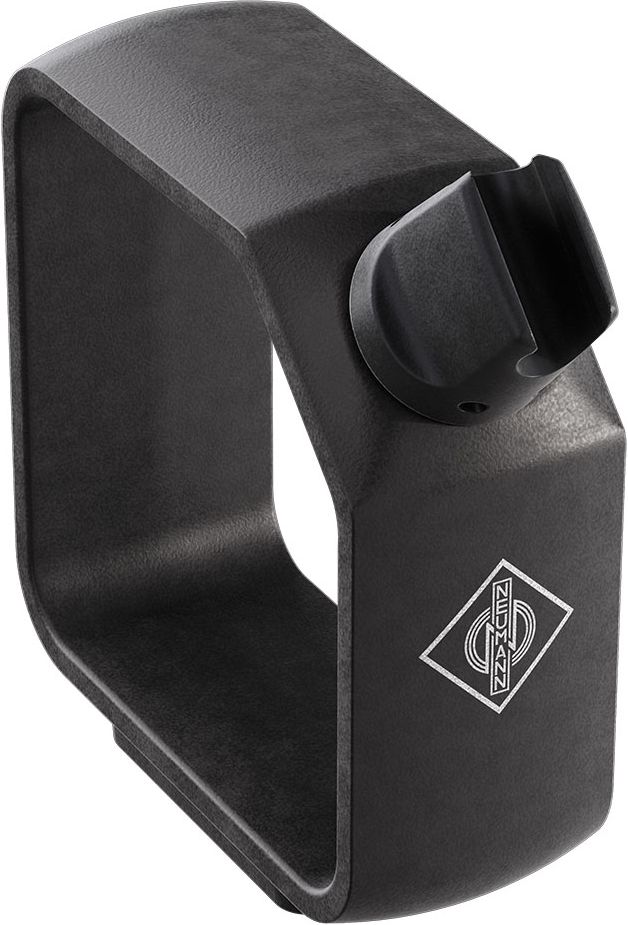
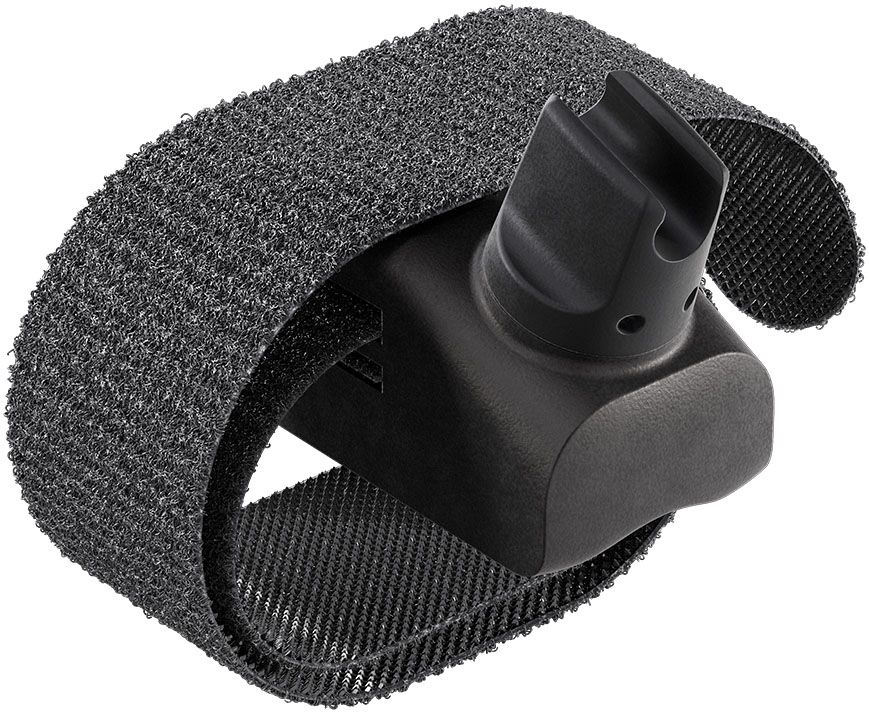
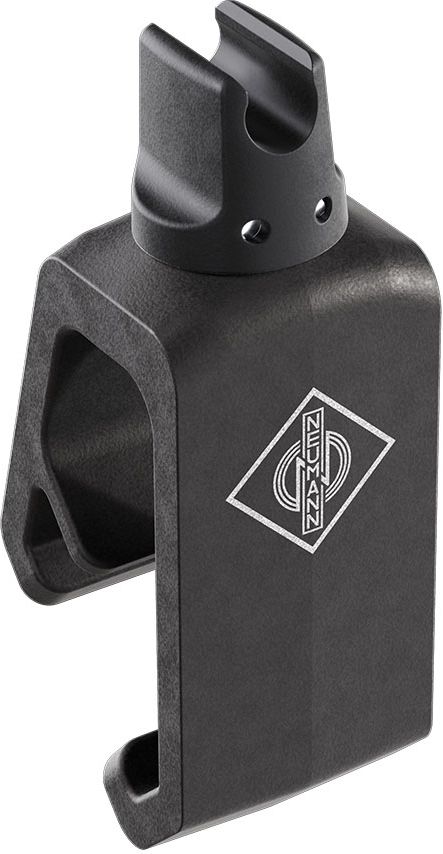
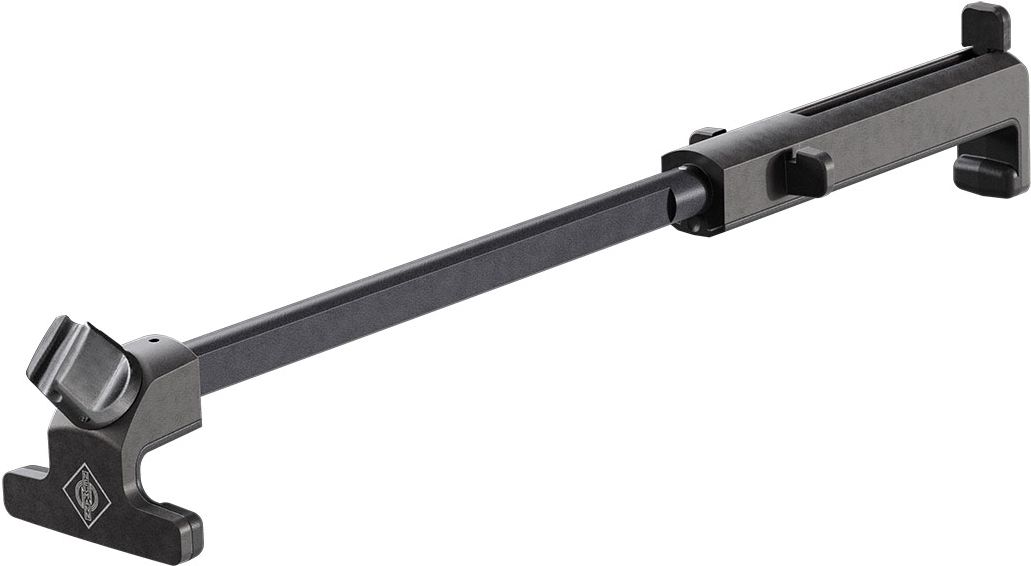
Magnetic holder for attaching the capsule and gooseneck of the Neumann Miniature Clip Mic MCM system to/in an upright or grand piano. The holder for the gooseneck can be rotated for variable alignment and locks securely into place in 45° increments.
Universal holder for attaching the capsule and gooseneck of the Neumann Miniature Clip Mic MCM system to an oboe, clarinet, flute, recorder, harp or bassoon. The holder for the gooseneck can be rotated for variable alignment and locks securely into place in 45° increments.
Universal clamp for attaching the capsule and gooseneck of the Neumann Miniature Clip Mic MCM system to drum and percussion instruments such as snare, tom, stand tom and similar instruments. The holder for the gooseneck can be rotated for variable alignment and locks securely into place in 45° increments.
The NDH 20 is a closed-back headphone that combines high sound isolation with the carefully balanced sound and outstanding resolution that the Neumann name stands for. The NDH 20 is therefore ideal for monitoring and mixing, even in noisy environments. Memory foam cushions around the ears ensure a high level of long-term wearing comfort.The NDH 20 is suitable for all applications that require a high level of sound isolation, such as monitoring for musicians and sound engineers in the recording room or in the field of event technology. It is also an excellent choice for analytical listening without being disturbed by ambient noise or, conversely, disturbing the surroundings with sound emissions from the headphones. Thanks to its wide transmission range of 5 Hz to 30 kHz, the NDH 20 is extremely useful for assessing low bass and extreme treble frequencies.Unlike many other closed-back headphones, the Neumann NDH 20 is also suitable for mixing applications. Its exceptionally flat frequency response and natural stereo image provide the necessary security when mixing and ensure compatibility with all playback systems. The NDH 20 is therefore an indispensable tool for working on the road; of course, it is also ideal for audiophile music enjoyment.
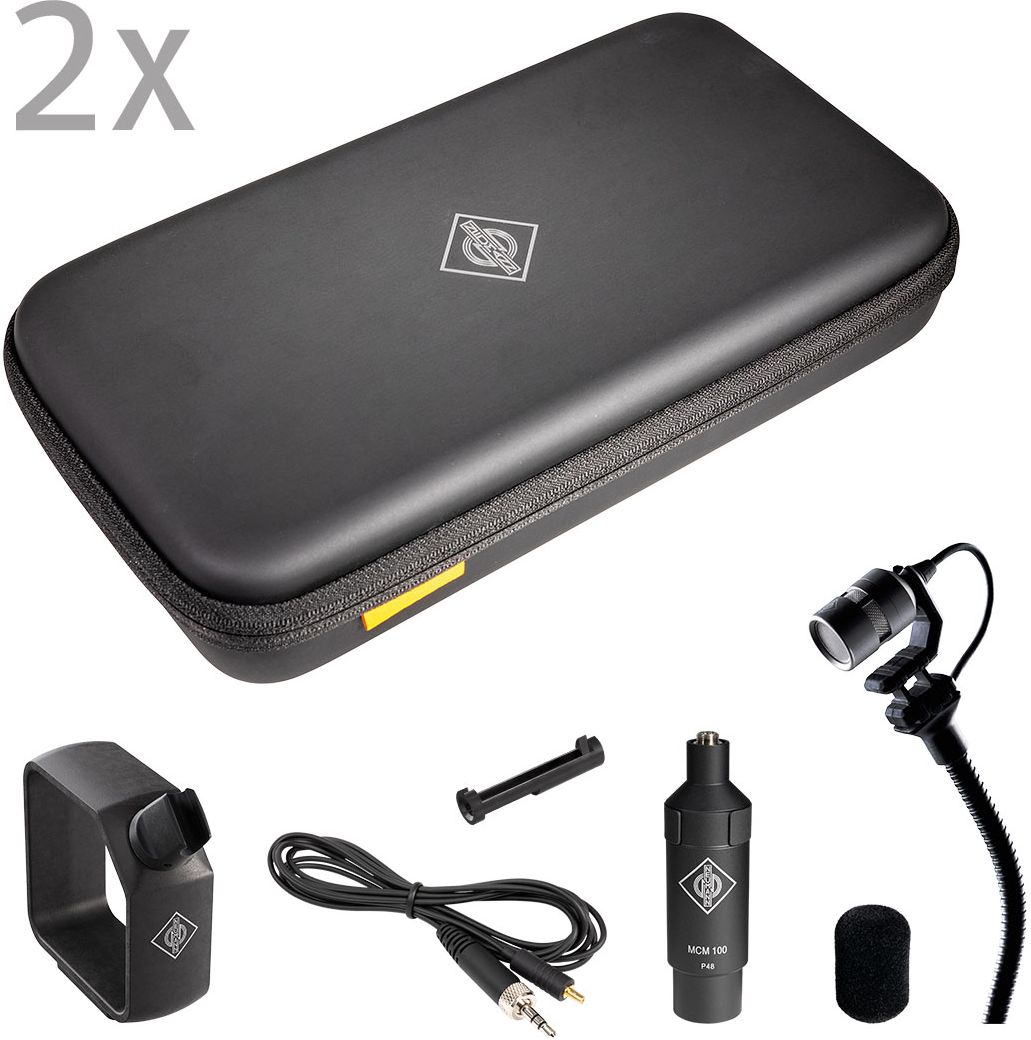
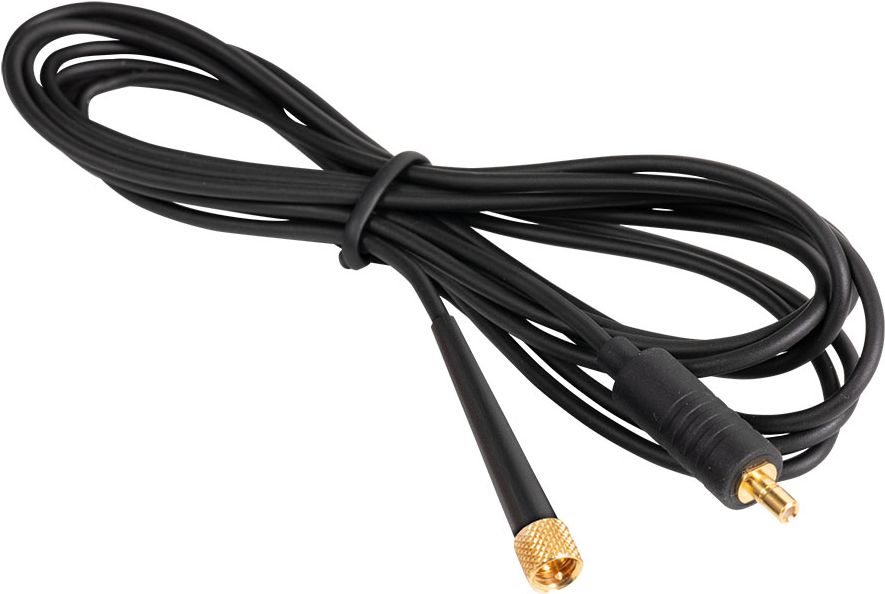
Flexible gooseneck for the Neumann Miniature Clip Mic MCM system. The microphone capsule is mounted with a detachable screw connection and is shock- and structure-borne noise-damped thanks to the use of selected plastics for the elastic suspension. The gooseneck is connected to the system's various mounts via a swivelling clamp connection. Length: 150 mm. Output socket for connection to the AC 31 ...34 connection cables. The scope of delivery includes the KC 1 cable clip to additionally secure the connection between the gooseneck and the connection cable if required.
The TLM 103 is the ideal large diaphragm microphone for all those who do not want to do without uncompromisingly professional technology despite tight budget limits. It works with the transformerless circuit technology already proven in numerous Neumann microphones, offers an unrivalled low self-noise level and maximum dynamic range. The cardioid capsule used is particularly well-balanced acoustically and has excellent cancellation for rear sound incidence. An SG 1 metal stand joint and a wooden case are included in the scope of delivery.
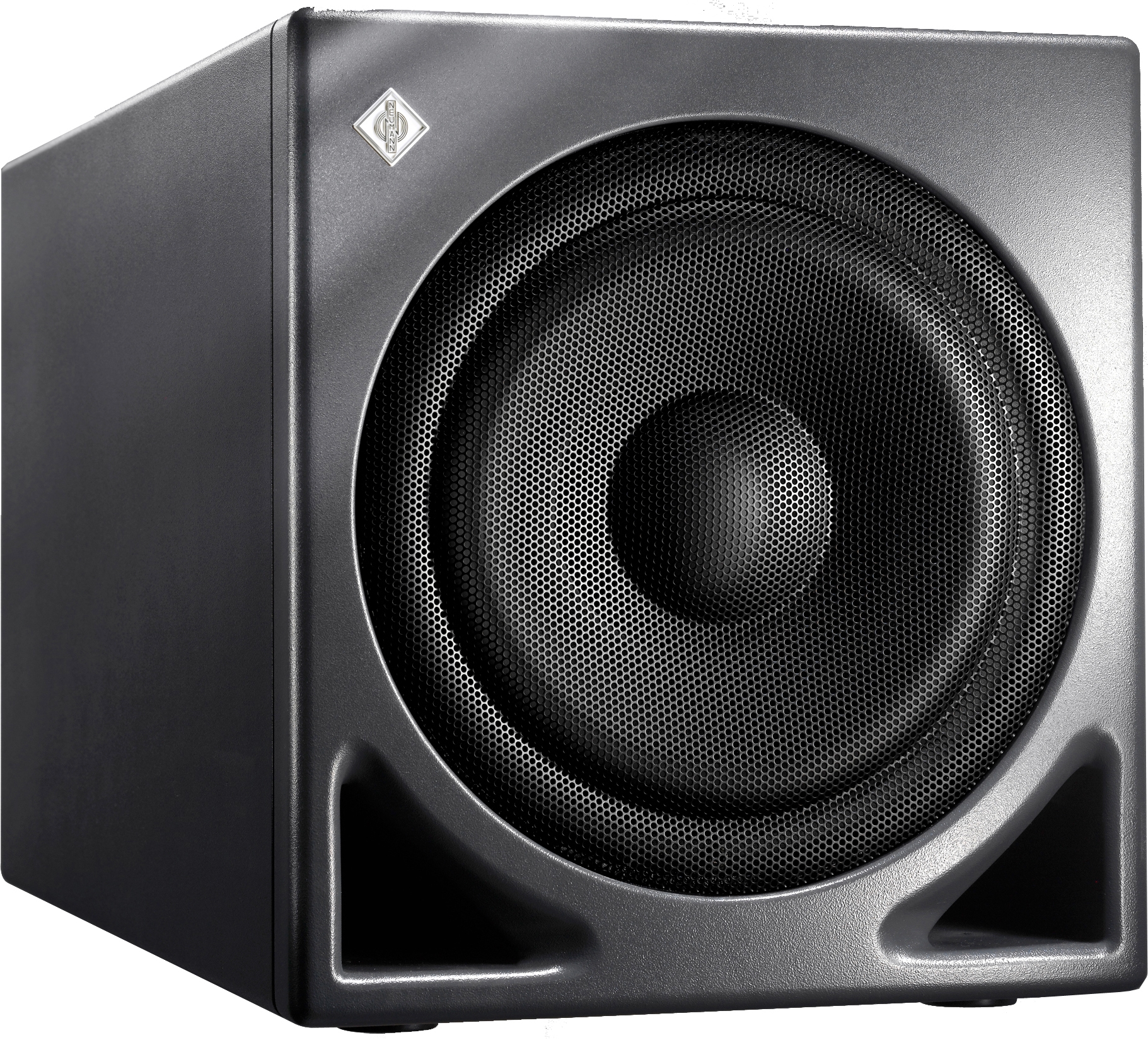
In recent years, the audio industry has produced a large number of new, high-quality multi-channel audio formats, which place considerably higher demands on the professional production environment in the studio. The Blu-ray format, for example, makes it possible to store an increased number of discrete audio channels with high resolution (7.1). To meet these requirements, Neumann has created a 7.1 High Definition Bass Manager with the newly developed electronics of the KH 810, which fulfils all studio requirements from mono to the latest 7.1 HD formats. With eight analogue input channels, flexible connection is guaranteed in the modern studio environment. Four switchable LFE modes guarantee compatibility with all formats and industry standards. Extensive acoustic adaptation options and a frequency separation of 24 dB/oct allow optimum integration into the existing studio acoustics. The built-in 8-channel volume control in conjunction with the optionally available wired remote control can be used to realise source-independent central system control. The electronics of the KH 810 can be detached in order to adapt the cabling flexibly. The latest amplifier technology and extensive research and optimisation of the speaker chassis used have resulted in the highest degree of bass precision and sound neutrality. The low-resonance cabinet and the flow-optimised bass reflex channels ensure dry and extremely low-distortion bass reproduction down to 18 Hz, even at high levels. Multisubwoofer systems can easily be set up using the sum output of the electronics. This allows speaker arrangements such as Plane Wave Bass Arrays TM (PWBA) to be implemented, which dramatically improve the lateral mode behaviour in the listening room via cylindrical wave generation. The KH 810 was developed as an extension of our extensive range of studio monitors. It can be used alone or in combination with several subwoofers to realise large systems with very high maximum level requirements. The KH 810 is therefore the ideal low-frequency extension for music, broadcasting and post-production for use in tracking, mixing and mastering. It can preferably be positioned close to the wall or, thanks to the bass reflex ports on the front, in the wall and can be freely combined with all our monitors in multi-channel systems.
The KH 310 is designed for use as a nearfield monitor and as a front speaker in medium-sized or rear speakers in large multi-channel systems. It is ideally suited for use in project, music and post-production studios, broadcast control centres and OB vans for multitrack recording, mixing and mastering. The active 3-way studio monitor KH 310 is characterised by a Mathematically Modeled DispersionT Waveguide (MMDT), universal acoustic controls, multiple input options and a wide range of mounting hardware. The speaker offers maximum flexibility in dealing with a wide range of acoustic conditions, source devices and installation locations. The KH 310 represents the state of the art in acoustic and electronic simulation and measurement technologies and guarantees maximum sonic precision.
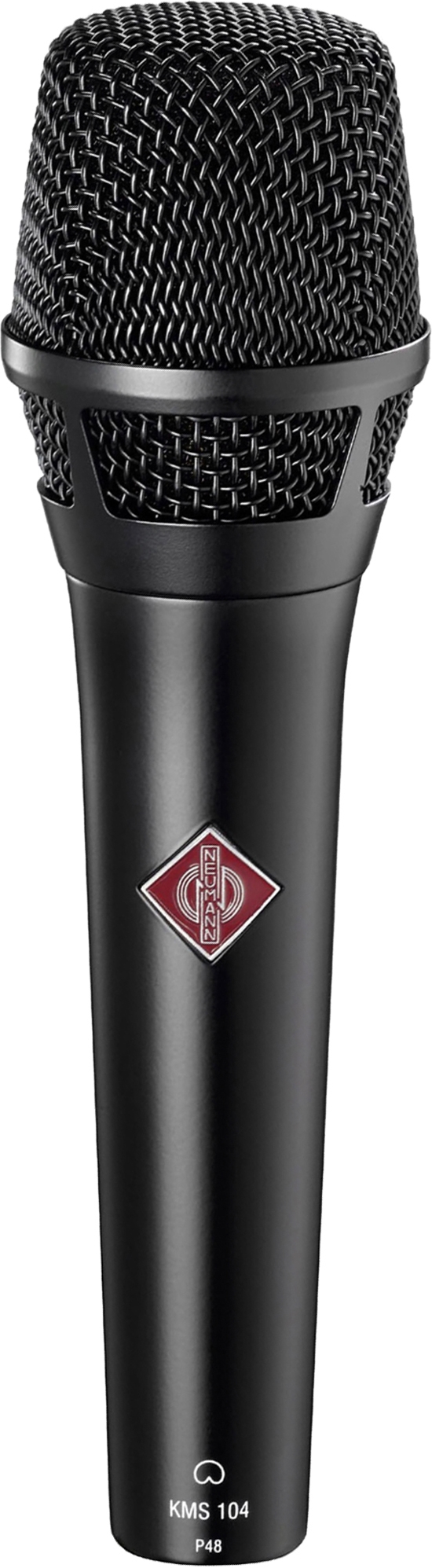
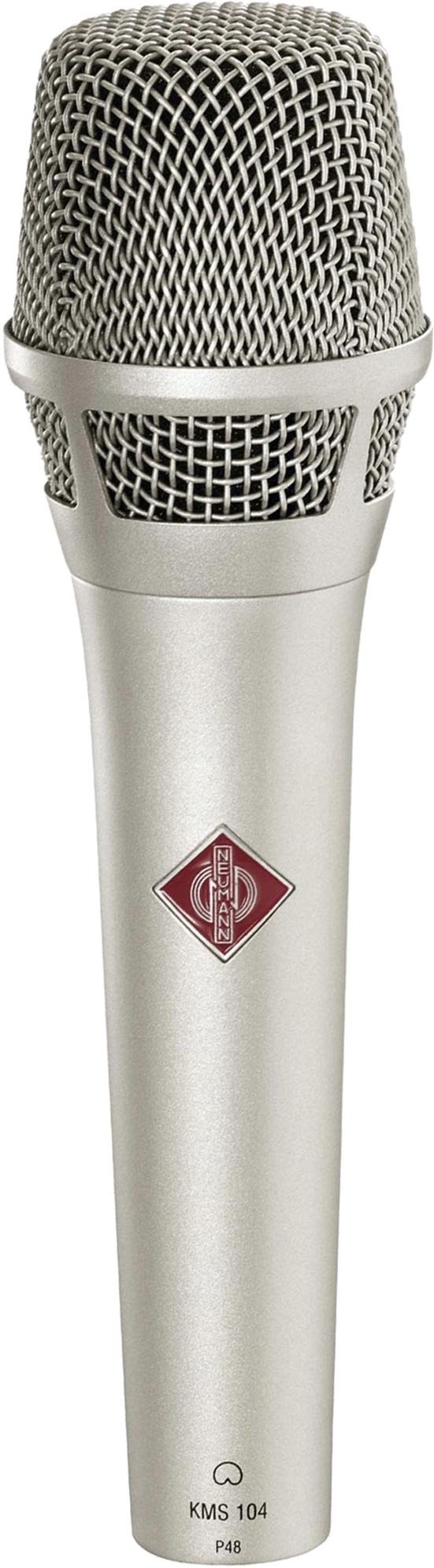
Thanks to the balanced frequency response and high acoustic resolution, the microphones offer musicians optimum control over their stage performance at all times. The KMS microphones are particularly suitable for use with in-ear monitoring systems thanks to their colouration-free crosstalk behaviour and low self-noise.The KMS 104 has a cardioid condenser microphone capsule that offers the best possible suppression of rear sound.Carefully tuned acoustic filters and transformerless, very high impedance converters in the microphones ensure that even strong explosive sounds do not overload the microphone.Despite the very good pop resistance, sibilants and s-sounds are transmitted in their natural accentuation, as is only possible with condenser microphones. Furthermore, the aforementioned acoustic filters are designed in such a way that the pronounced directional characteristics of the capsules are also retained in the bass range.
Clamp for attaching the capsule and gooseneck of the Neumann Miniature Clip Mic MCM system to the frame of a double bass and similar instruments. The self-adjusting spring mechanism and the rubber coating ensure reliable attachment without the risk of damaging the instrument. The holder for the gooseneck can be rotated for variable alignment and locks securely into place in 45° increments. The reducer supplied can be used to adapt the clamp to particularly narrow instruments. The reducer supplied can be used to adapt the clamp to particularly narrow instruments.
The KK 14 captures the characteristic sound of acoustic instruments with unrivalled precision and neutrality. Previous limitations of the electret principle no longer apply - the capsule delivers a significantly extended bass and mid-range and superior elegance in the treble. From soft nuances to peak dynamics in a fortissimo: with a maximum sound pressure level of 153 dB, the KK 14 is ready for any playing situation.
The KH 310 is designed for use as a nearfield monitor and as a front speaker in medium-sized or rear speakers in large multi-channel systems. It is ideally suited for use in project, music and post-production studios, broadcast control centres and OB vans for multitrack recording, mixing and mastering. The active 3-way studio monitor KH 310 is characterised by a Mathematically Modeled DispersionT Waveguide (MMDT), universal acoustic controls, multiple input options and a wide range of mounting hardware. The speaker offers maximum flexibility in dealing with a wide range of acoustic conditions, source devices and installation locations. The KH 310 represents the state of the art in acoustic and electronic simulation and measurement technologies and guarantees maximum sonic precision.
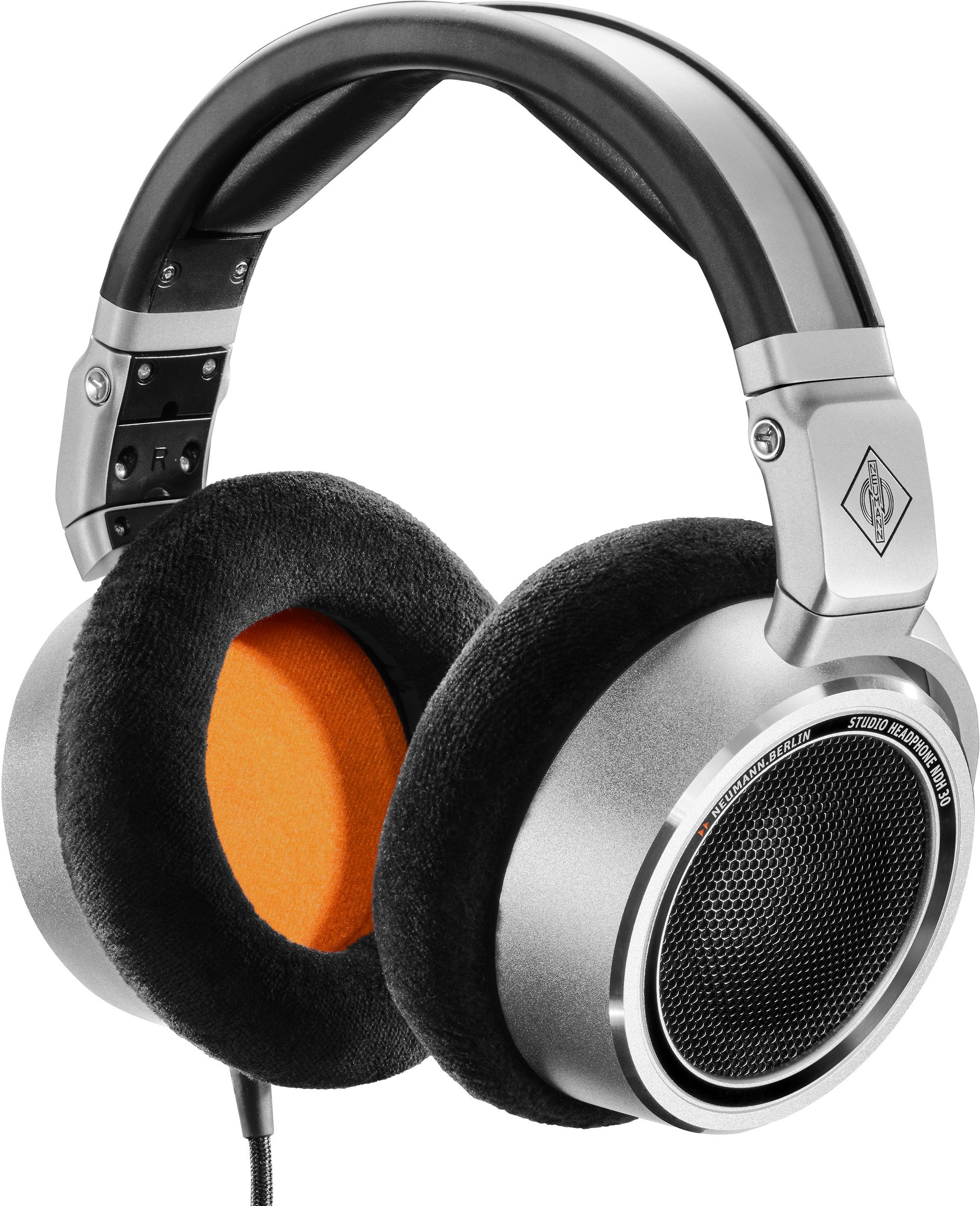
The portable sound reference:The NDH 30 is a circumaural, open-back headphone with outstanding detail resolution and high-precision stereo imaging with razor-sharp localisation of sound sources. Its linear sound image and superior impulse fidelity make it ideal for the most demanding applications such as mixing and mastering.Perfect monitoring in Neumann quality - everywhere:The NDH 30 was developed with the aim of making it possible to experience the reference sound of a Neumann studio monitor setup perfectly calibrated via MA 1 wherever you are - in the form of an easily transportable headphone. At the same time, the NDH 30 forms its own sound reference in terms of headphone reproduction, which is crucial for success today. Its outstanding sound characteristics make the NDH 30 the first choice for mixing and mastering. Thanks to its high long-term wearing comfort, it is also ideal for high-precision editing.Uncompromising precision:The NDH 30 owes its superior linearity in part to frequency-selective absorbers, which eliminate the overemphasis in the high frequencies that lead to incorrect mixing decisions with many other headphones. For example, the NDH 30 shows exactly whether a voice sounds muffled or needs a de-esser.Part of a successful family:With its high linearity and detail resolution, the NDH 30 is perfectly compatible with a loudspeaker system that has been optimally calibrated using Neumann Automatic Monitor Alignment. Mixes started on the NDH 30 at home or on the road can be continued seamlessly in the studio with KH-Line loudspeakers - and vice versa. At the same time, the NDH 30 is recommended as a headphone sound reference, as headphones have long since become the dominant playback system for consumers. The NDH 30 is ideal for testing headphone compatibility and for creating binaural mixes of immersive content (including VR and gaming). As high consistency and reliability are essential for mixing and mastering, the NDH 30 is manufactured to extremely tight tolerances so that every unit sounds exactly the same.
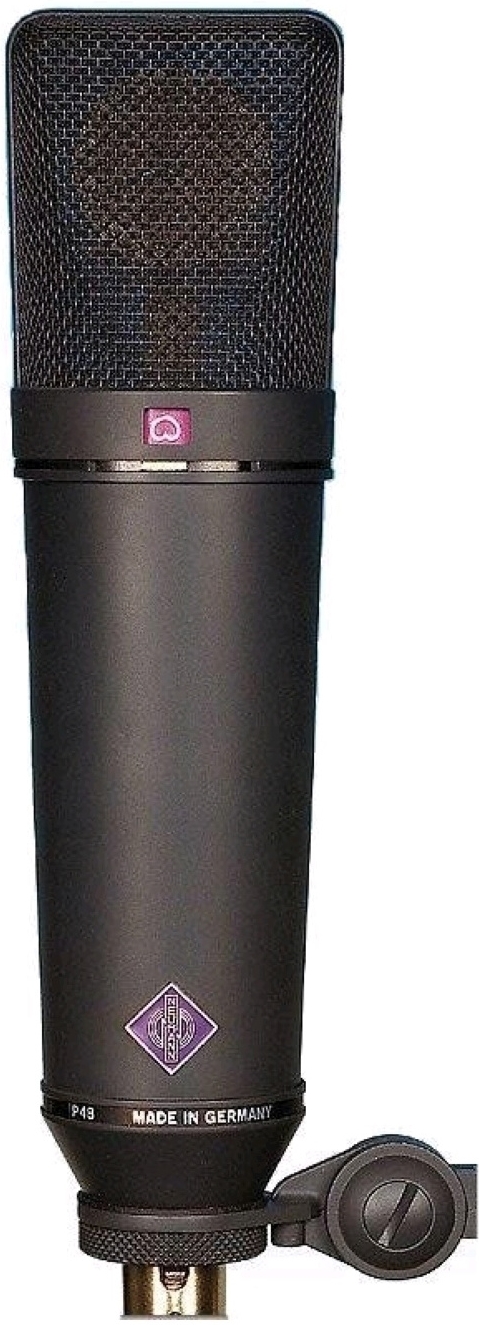
The U 87 is probably the best known and most widely used Neumann studio microphone. It is equipped with a large double diaphragm capsule with omnidirectional, cardioid and figure-of-eight polar patterns, which are selected via a switch on the capsule head. A switch at the rear provides a 10 dB pre-attenuation. This allows the microphone to transmit sound pressure levels of up to 127 dB without distortion. Furthermore, the frequency response can be reduced in the low frequencies, e.g. to compensate for the proximity effect. Range of applications The U 87 Ai condenser microphone is a switchable large diaphragm microphone characterised by its transmission properties, various switching options and attractive shape. It is equally suitable for a large number of applications in radio, television, film and sound recording technology. In orchestral recordings it is used as the main microphone and as a support microphone for individual instruments, but mainly as a vocal microphone in all types of music. Acoustic characteristics The pick-up direction is sideways, with the front side being characterised by the company label. The frequency response for the cardioid and figure-of-eight characteristics is practically linear, even in the upper audio frequency range for frontal sound incidence. This means that the microphone can be used at a short distance from the sound source without producing an unnaturally sharp sound impression. An electrical high-pass filter cuts off low-frequency sound as a measure against background noise. Directional characteristics The elastically mounted double diaphragm capsule is surrounded by a large wire mesh basket. The omnidirectional, cardioid or figure-of-eight polar patterns can be set using a switch below the basket. A window above it displays the setting in symbols. Electrical characteristics The additional letter A in the designation indicates a change in design compared to the U 87 i microphone supplied from 1967 to 1986. This change relates to the electrical part of the microphone; it makes the U 87 Ai more reliable due to a lower impedance supply of the capsule bias voltages, increases the transmission ratio by approx. 10 dB at the same sound pressure level and improves the signal-to-noise ratio by 3 dB. Filter and pre-attenuation A 10 dB pre-attenuation can be set using a switch on the rear panel. The microphone is then able to transmit sound pressure levels of up to 127 dB (corresponds to a sound pressure of 45 Pa) without distortion. If another switch on the rear panel is activated, the lower cut-off frequency of the microphone is raised and low-frequency noise is attenuated at the input of the microphone amplifier. The unavoidable increase in bass at close range with pressure gradient receivers is compensated for in such a way that a flat frequency response is achieved at a distance of 30 to 40 cm in the cardioid position and at a distance of 15 to 20 cm in the figure eight position.
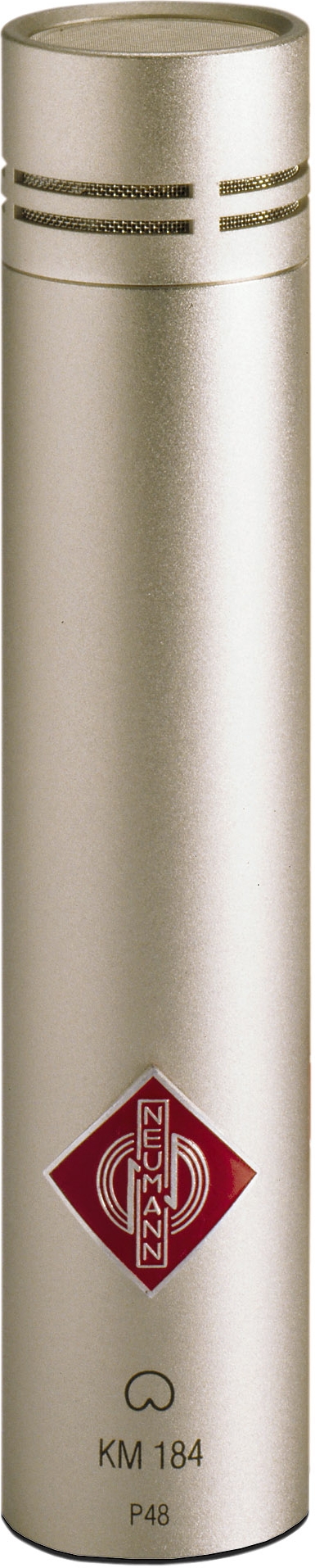
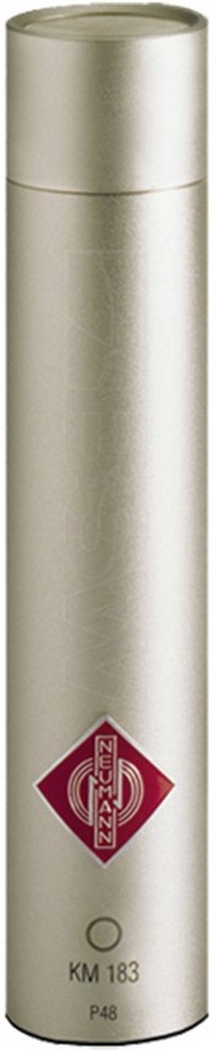
Unadulterated, transparent, versatile:The KM 184 is a top-class small diaphragm microphone with a uniform, frequency-independent cardioid characteristic. Its natural, transparent sound with very low inherent noise and high level stability has made the KM 184 a worldwide stage and studio standard, covering almost all applications from classical piano to heavy metal drums.Today, most microphones are designed to put their own stamp on the sound material. But there are many sound events that you want to reproduce faithfully without adding or subtracting anything. This is precisely the approach of the Neumann Series 180.The Neumann Series 180 comprises three microphones with different polar patterns, KM 183 (omnidirectional), KM 184 (cardioid) and KM 185 (hypercardioid), which cover the majority of stage and studio applications. By dispensing with modularity, the Series 180 is more cost-effective than the modular Series KM A /D (with a wide range of interchangeable capsule heads for analogue and digital output stages).Despite its attractive price, the KM 184 offers top-class Neumann technology: its cardioid characteristic is frequency-independent; the sound suppression in the rear (180°) is also excellent in the lower frequencies. In practical use, there is no sound colouration over a wide recording angle, which is just as important for multi-miking as it is for precise spatial imaging in stereo and surround recordings. The KM 184 has a very linear frequency response. It uses the same capsule design as the popular Neumann classic KM 84, but with a slight treble boost at 9 kHz for additional brilliance. An innovative transformerless microphone circuit with a wide dynamic range of 125 dB guarantees that the excellent sound characteristics of the capsule are fully retained. The KM 184 achieves a very low self-noise of only 13 dB-A and can handle sound pressure levels of up to 138 dB without distortion. The low impedance of the output stage allows cable lengths of up to 300 metres without any loss of sound quality.The KM 184 is a universal microphone for stage and studio applications. Its transparent sound makes it ideal for acoustic instruments such as piano, percussion, drums, acoustic guitar, double bass, violin, cello, woodwinds and brass. With its frequency-stable cardioid characteristic, it is recommended for stereo and surround recordings with perfect spatial imaging. Although not specifically optimised for the human voice, it is often used for classical vocals and other applications where sonic authenticity is paramount. Thanks to its compact design, the KM 184 is visually unobtrusive and therefore ideally suited for TV and radio broadcasts.
The "Series 180" consists of three compact small microphones whose characteristics fulfil the requirements of all common studio applications. Thanks to an optimised mechanical design and the deliberate avoidance of a modular construction - which is not necessary in many cases - the "Series 180" is predestined for the cost-effective basic equipment of a production or home recording studio.Based on the great success of the KM 184 cardioid microphone, which quickly became a standard in the worldwide studio scene, the KM 183 microphone with omnidirectional characteristic and the KM 185 with hypercardioid characteristic were developed.